November 2025 has brought a wave of reversals in federal workforce policy, trade decisions, and high-profile legal cases. Here’s a breakdown of what happened, why it happened, and what it means for everyday Americans.
1. DOGE Rollback: Agencies Rehire Workers After Mass Cuts
The Department of Government Efficiency (DOGE) launched sweeping cuts across federal agencies earlier in 2025, closing or downsizing programs at the IRS, USDA, USAID, Social Security field offices, and the National Park Service. Tens of thousands of jobs were eliminated.
After months of lawsuits, service disruptions, and bipartisan pushback, many agencies have now begun rehiring workers or inviting laid-off staff back.
Why the reversal happened
- Court rulings suggested that aspects of the DOGE layoffs violated civil-service laws.
- Watchdogs reported severe disruptions in tax processing, benefits distribution, and federal property management.
- Members of Congress from both parties raised concerns over constituent service delays.
How it affects Americans
- Short-term delays may continue for tax refunds, Social Security appointments, and federal permitting due to staffing gaps.
- Rehirings should improve service reliability over time, though rebuilding expertise will take months.
- The broader fight over DOGE and classifications like “Schedule Policy/Career” and Schedule F will influence whether federal jobs remain protected careers or become more at-will positions.
2. Federal Workers Returning Across Multiple Agencies
Separate from DOGE, multiple federal agencies have begun reinstating employees who were laid off, accepted buyouts, or resigned during early 2025 workforce reductions. Some returns are voluntary, while others are required by court orders or settlements.
Why it happened
- Judges found that several reduction plans overreached executive authority or violated federal workforce protections.
- Agency leaders realized that deep cuts undermined mission-critical work such as maintaining buildings, processing benefits, and managing parks.
How it affects Americans
- Reinstated staff help restore customer-facing services and reduce backlogs.
- Taxpayers, seniors, veterans, and businesses may see improved service consistency.
- Ongoing uncertainty about workforce classifications could make it harder for government to recruit and retain top talent, especially in cybersecurity and IT roles.
3. Major Tariff Rollbacks to Address Price Pressures
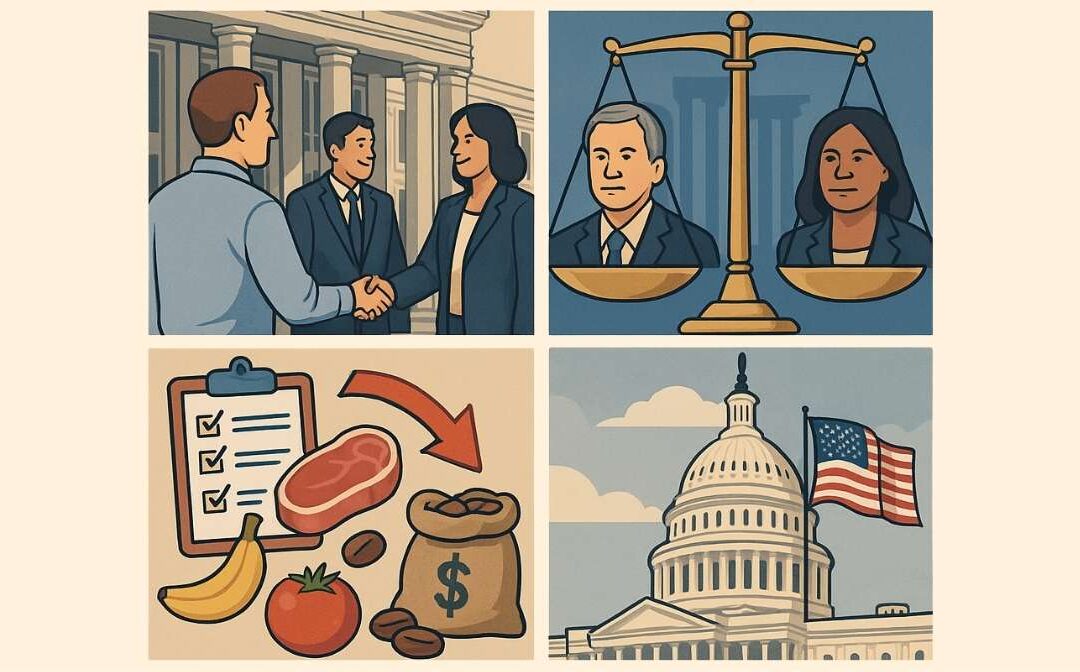
After broad tariff increases earlier in 2025, the administration is rolling back or exempting tariffs on more than 200 food and consumer goods, including beef, coffee, tomatoes, bananas, and cocoa. Some China-focused tariffs are also being reduced under new trade arrangements, although high tariffs remain on steel, aluminum, and other strategic sectors.
Why the reversal happened
- Americans across the political spectrum expressed frustration over rising grocery and household costs.
- Economists noted that the tariff hikes earlier this year contributed to higher prices.
- The administration is trying to balance inflation concerns with maintaining leverage in trade negotiations.
How it affects Americans
- Grocery prices may not fall immediately because current inventory was purchased at higher tariff rates, and companies may not pass savings through quickly.
- Import-heavy sectors such as retail and food processing could see reduced costs over time.
- Manufacturers relying on steel and aluminum may continue facing higher costs, benefitting some domestic producers while impacting builders and industrial buyers.
4. Judge Dismisses Charges Against James Comey and Letitia James
A federal judge has dismissed criminal cases brought earlier this year against former FBI Director James Comey and New York Attorney General Letitia (Tish) James. The indictments were pursued by interim U.S. Attorney Lindsey Halligan, whose appointment the court ruled unlawful.
The judge determined that Halligan’s appointment did not follow legal requirements, meaning her actions — including the indictments — were invalid.
Why it happened
- The court found that the Attorney General exceeded authority by bypassing proper procedures and time limits for interim U.S. attorney appointments.
- The ruling reflects a broader debate over presidential power and the limits of appointing prosecutors without Senate confirmation.
How it affects Americans
- Both Comey and James return to their prior legal status, though the cases were dismissed without prejudice, allowing potential re-filing.
- In Comey’s case, statutes of limitation may make re-filing unlikely.
- The ruling signals that courts are closely reviewing attempts to prosecute political rivals, a move supporters say guards against abuse of power and critics argue restricts accountability.
Why These Stories Matter
Together, these developments highlight three major debates shaping Washington right now:
- How much protection federal workers should have and whether their roles remain career-based or shift toward political appointments.
- How trade policy should balance national security with consumer prices affecting everyday households.
- Where the limits on presidential power lie in appointing prosecutors and pursuing political cases.
These questions will continue to shape how federal agencies operate — and how reliably they deliver services — in the months ahead.
Sources
- GovExec – Project 2025 Workforce Impact
- Wikipedia – 2025 Federal Mass Layoffs
- Citizens for Ethics – DOGE Analysis
- CNN – Federal Workers Rehired
- NBC News – Rehiring Fired Federal Employees
- Congress.gov – DOGE Workforce Hearing
- OPB – Undoing DOGE Cuts
- OPM – Federal Hiring Guidance
- FedScoop – Schedule F Restoration
- E&E News – Civil Service Overhaul
- GovExec – Final Schedule F Rules
- Feds Forward – Executive Orders Impact
- NTEU – Schedule F Safeguards
- Reuters – Tariff Cuts on Food
- Reuters – Americans Oppose High Prices
- Reuters – Tariff Exemptions
- Fictiv – 2025 Tariff Updates
- White House – Tariff Modifications
- CNBC – Grocery Prices After Tariff Rollback

